
How to Choose a Putter: The Head and Neck Shapes Affect Putters
2021/4/2
Are you the "self-operated" type or the "automatic" type?
Putters come in a variety of shapes, but they can be divided into two main categories: "shapes that are easy to control" and "automatic shapes." Does the putter you're using suit your playing style?
Head Shape
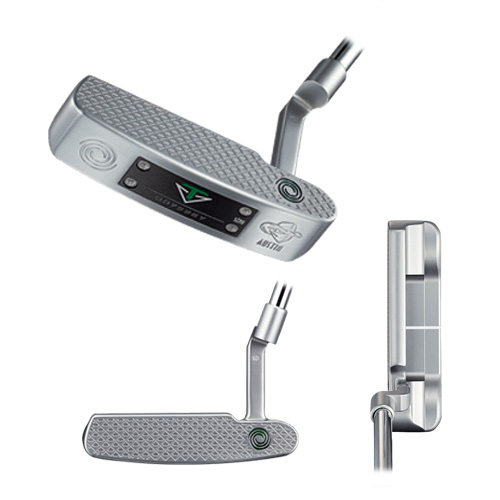
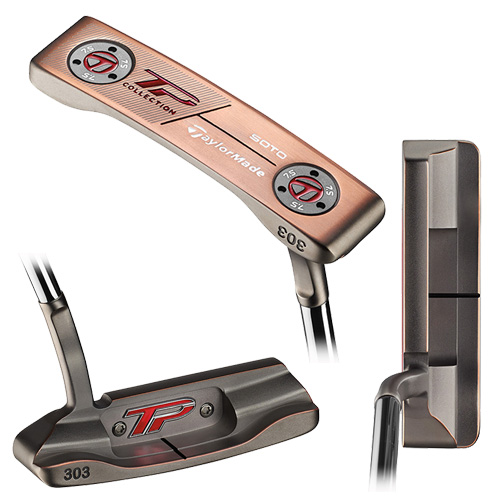
Pin type
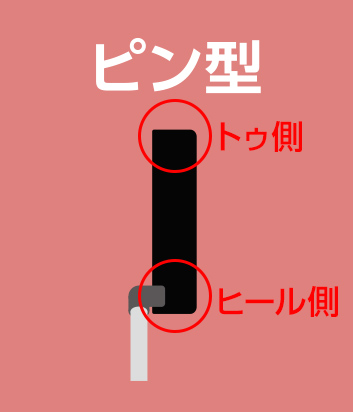
The weight is distributed on the toe and heel sides, so even if you miss the center slightly, you can minimize mistakes.
→The weight is concentrated on both sides, so the head is less likely to shake even if you miss a shot.
- Designed for all-rounders who want to use it regardless of whether they use a tap or stroke style of hitting.
Tap style: By using your wrist as a fulcrum and snapping the shot, you can hit a powerful ball that is less affected by the turf.
Stroke style: An automatic swing where you pull straight back with your shoulder as the fulcrum and hit the ball straight. It is more repeatable and stable than the tap style.
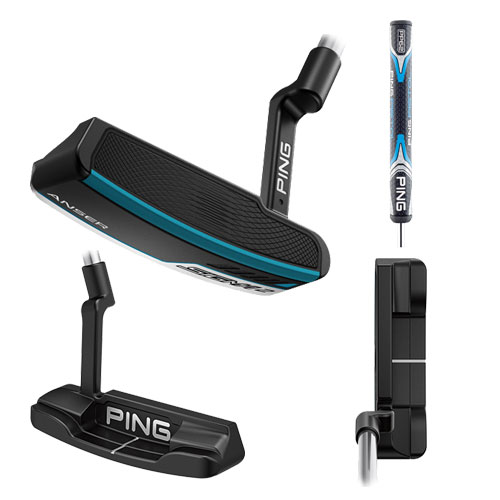
Pin-type head shape example
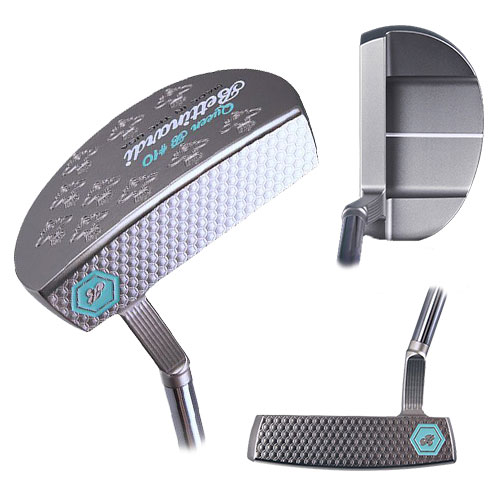
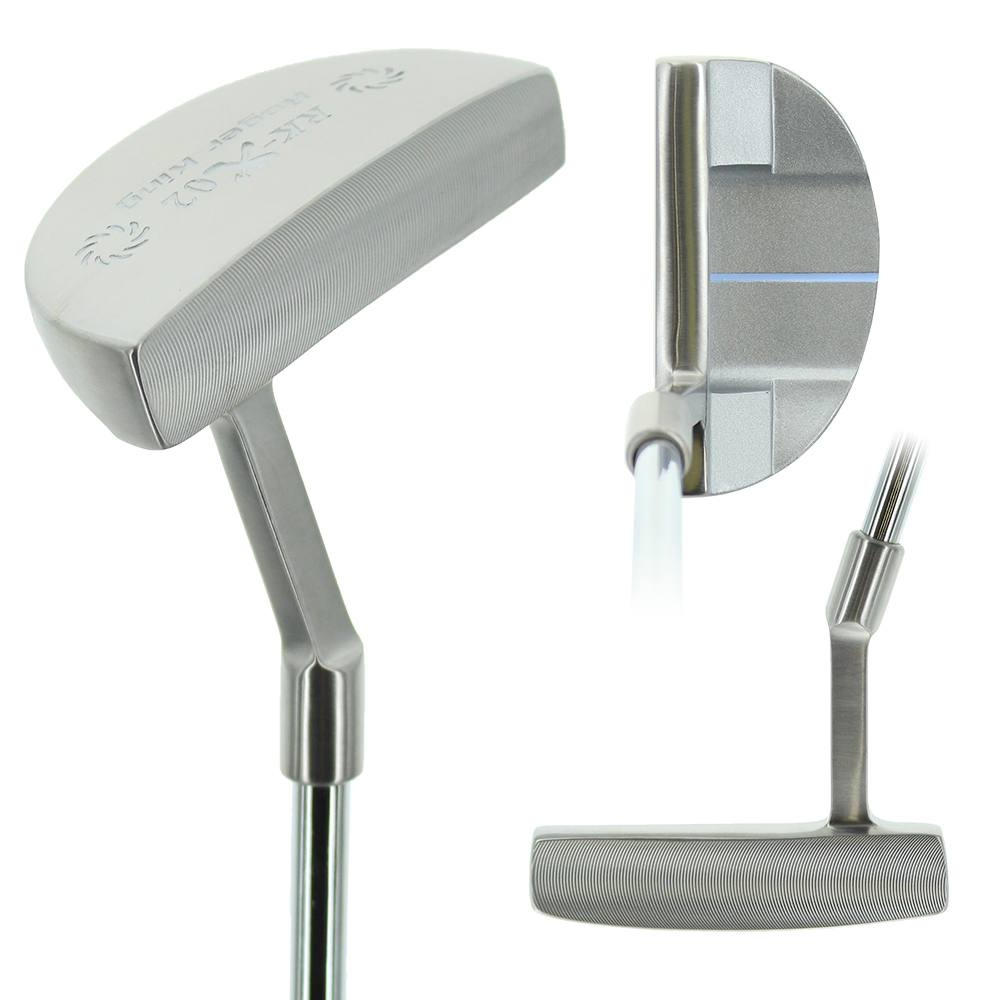
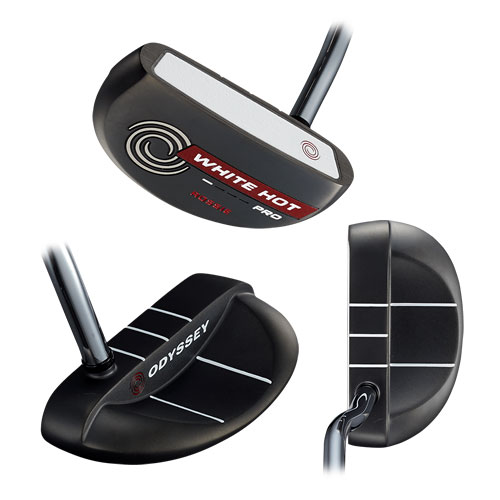
Mallet type
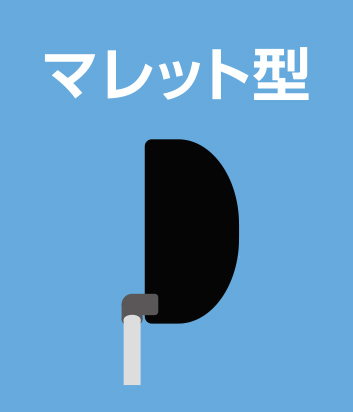
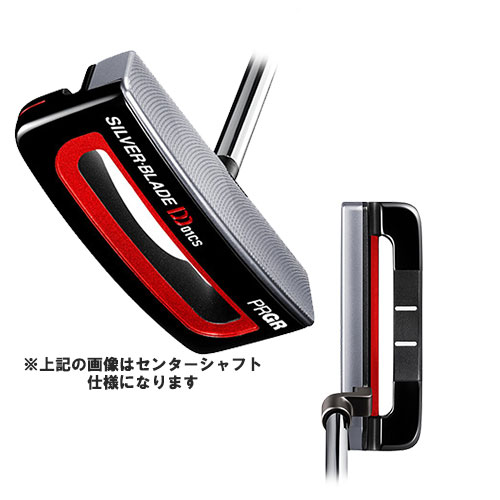
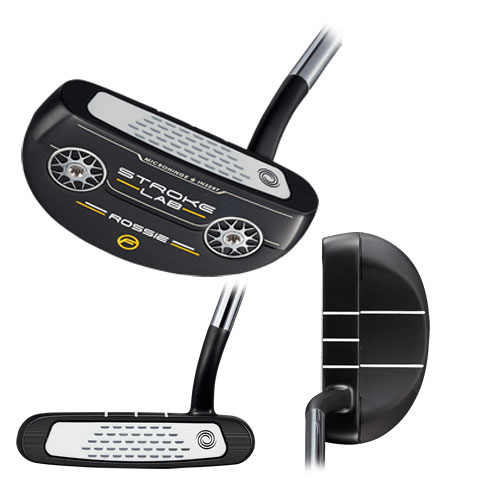
The center of gravity is located deep at the rear, making it easy to hit a ball in a straight line. The large head creates a large moment of inertia, making it resistant to mishits, such as when the ball is off-center.
- For those who want to putt automatically.
Mallet-type head shape example
Neo-mallet type
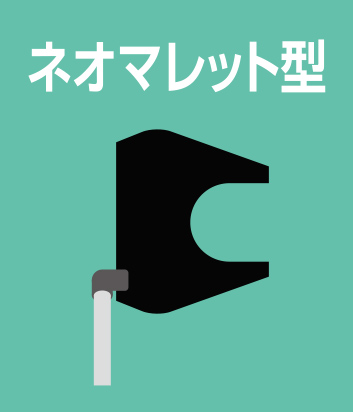
The head is heavier than the mallet type, and has a larger moment of inertia, making it well suited to automatic strokes.
- For those who want to putt automatically.
- Rather than hitting the ball, it is recommended to stroke as if the putter is moving naturally.
An example of a neo-mallet head shape
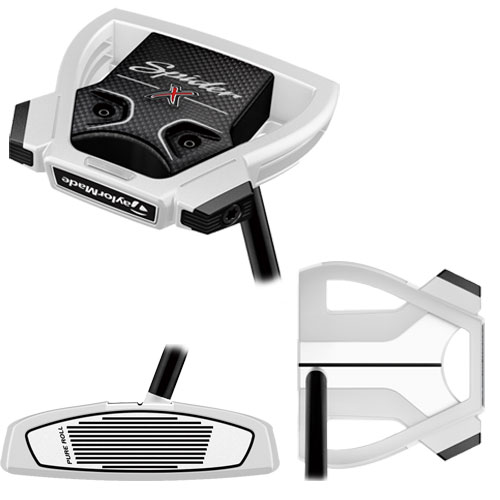
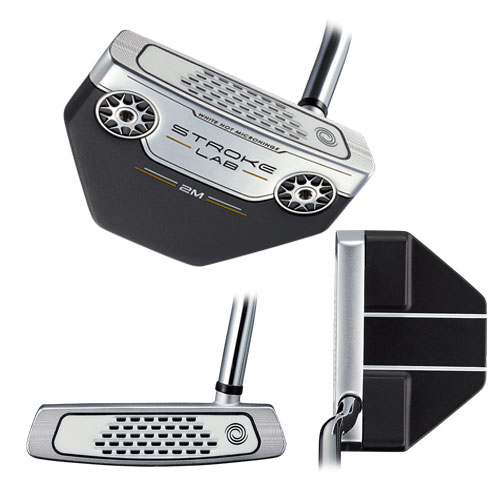
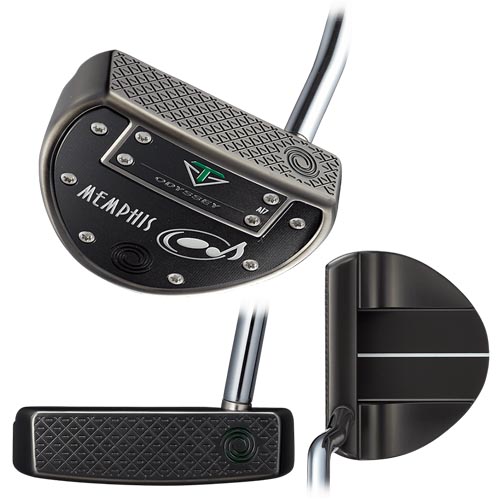
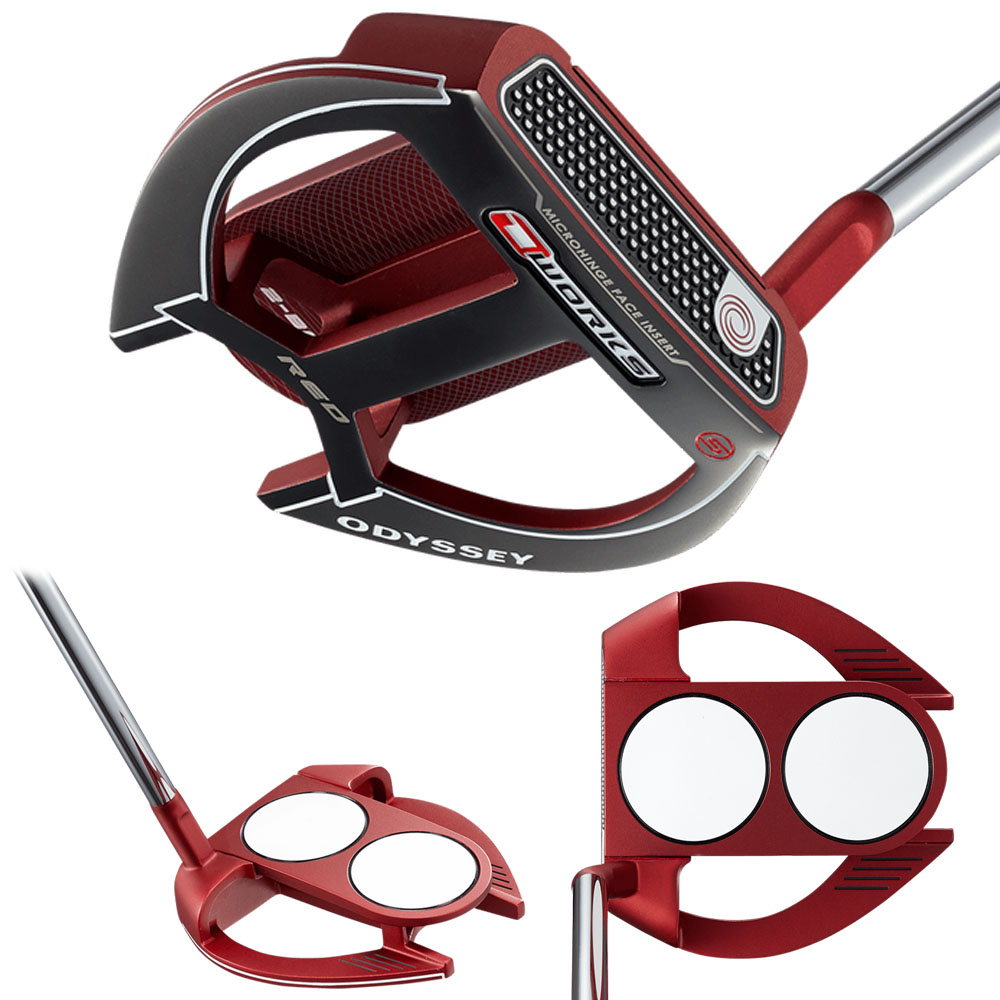
Typical neck shape
crank neck
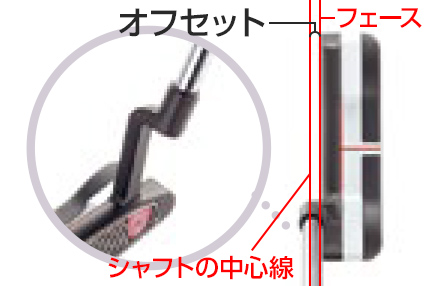
Standard neck shape. Often full offset, this shape is suitable for all-around use.
Offset: For right-handed players, the face is to the right of the center line of the shaft.
Full offset: The face is one shaft thickness to the right.
Bent neck
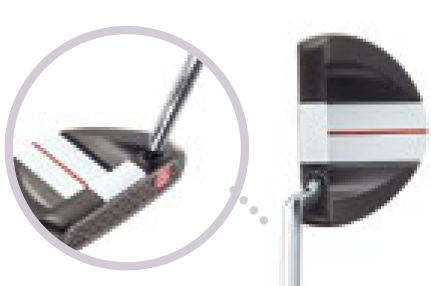
The shaft is attached to the head without a neck. Many are designed to be face-balanced (see below), which makes putting automatic.
Center Shaft
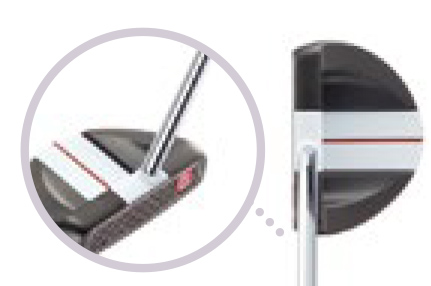
Although it is easy to operate, for right-handed players the face is to the left of the shaft, which makes the ball more likely to curve to the right, making it suitable for skilled professionals.
Short slant neck
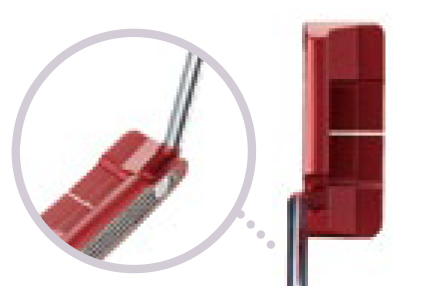
The neck is angled from the head, making it less likely to get caught and providing excellent maneuverability.
Just hit five balls and you'll be done! Come experience putter fitting!
By measuring your "stroke type" and "tempo" through five putting attempts, we will suggest a putter that is right for you.
1. Medical interview
2. Measurement
3. Description
Once you know your stroke type, you can find the putter that's right for you!
For those who want to make straight strokes
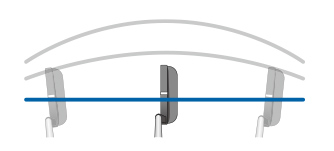
For those who like to pull straight and make a straight stroke, we recommend a "face-balanced" putter.
For those who want curved strokes
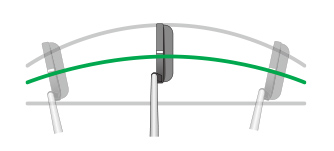
For those who stroke in-to-in, we recommend a "toe-heel balance" putter.
What are toe-heel balance and face balance?
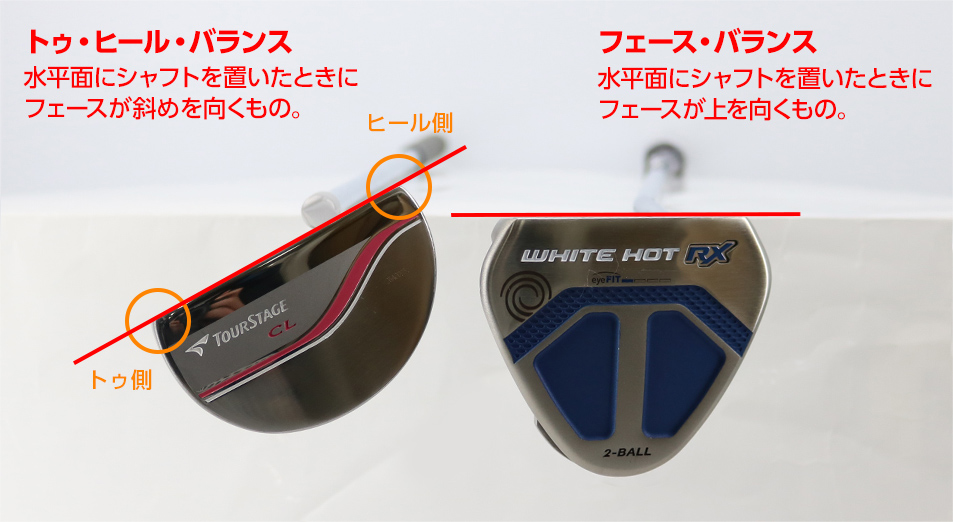
Once you know your tempo, you'll know the "optimal weight"!
| Stroke Tempo | Recommended putter |
|---|---|
| 1.7 or below (fast tempo) | Standard to light head weight putter |
| 1.8 to 2.2 (general tempo) | Standard to heavy head weight putters |
| 2.3 or above (slow tempo) | Heavy head weight putter - counter balance type |
From the Special Feature Editor
Hello, I'm in charge of feature content. There are many difficult theories and terminologies in golf. I'm studying every day.
When writing an article, if I have any questions after researching, I ask my seniors for help. I'm surprised at how often things that are difficult to understand just by reading the text are surprisingly easy to understand when they explain them to me using actual actions.
There is a lot of information on the internet, but have you ever read it and still not really understood it (it may seem like I am contradicting my own article, but I'm sorry)? Also, there are so many different types and combinations of putters that it can be hard to know which one is best...
In that case, please come visit us in store. You can try out various types of putters, so you may be able to understand with your body what you can't fully understand with your head!
We NIKI GOLF will use our extensive knowledge and experience to support you in choosing a putter. Some people who have barely played golf may be nervous about going for a fitting, but it can be a good idea to have a putter that doesn't have any bad habits, so now that you've just started playing, may be your chance to find the perfect club for you.
By the way, when I didn't know my left from my right, I chose a putter based solely on its appearance.
I hope you don't end up doing the same thing as me.
So, have a great putting life everyone!!
